
Debunking Myths: The Real Impact of AI in Urban Environments


Understanding the Role of AI in Urban Development
Artificial Intelligence (AI) is rapidly transforming urban environments, yet there are numerous myths surrounding its impact. From smart traffic systems to waste management, AI is reshaping city life in ways that improve efficiency and sustainability. However, misconceptions can lead to resistance or fear of these advancements.
One common myth is that AI will eliminate jobs in urban areas. While automation can replace certain tasks, it also creates new opportunities, particularly in tech and AI-related fields. Understanding these dynamics is crucial for adapting to the evolving job market.

AI and Urban Mobility
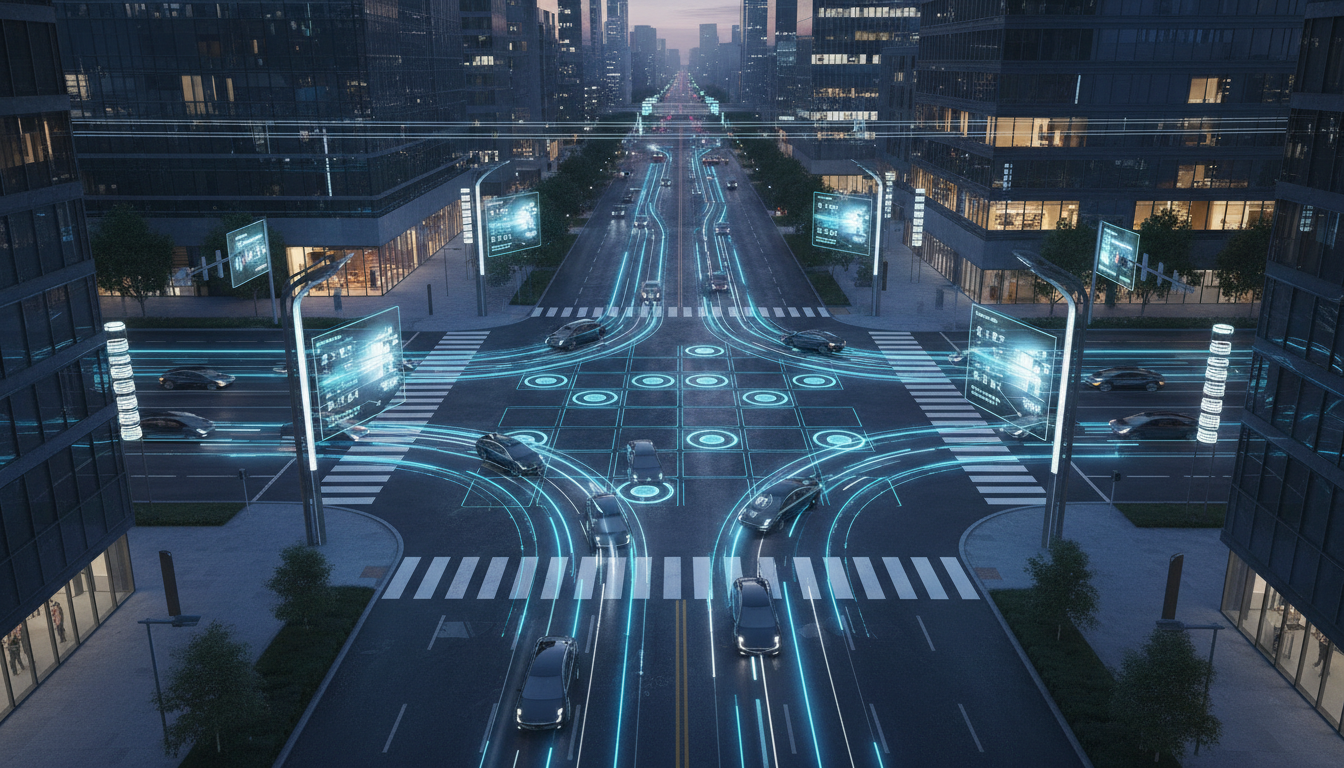
Another prevalent myth is that AI will make urban transportation less safe. In reality, AI-powered systems are enhancing safety through real-time traffic monitoring and predictive analytics. These technologies help in reducing congestion and minimizing accidents.
AI is instrumental in developing autonomous vehicles, which are designed to follow traffic rules and respond to changing road conditions much faster than human drivers. While there are challenges to overcome, the potential for safer roads is significant.

Smart Infrastructure and Sustainability
Many believe that AI-driven infrastructure is prohibitively expensive, but the long-term benefits often outweigh initial costs. AI can optimize energy usage in buildings, manage waste more effectively, and even monitor air quality. These smart systems contribute to more sustainable urban living.
For example, AI algorithms can adjust lighting and heating in buildings based on occupancy, significantly reducing energy waste. Such innovations not only save money but also promote environmental responsibility.
Enhancing Urban Planning with AI
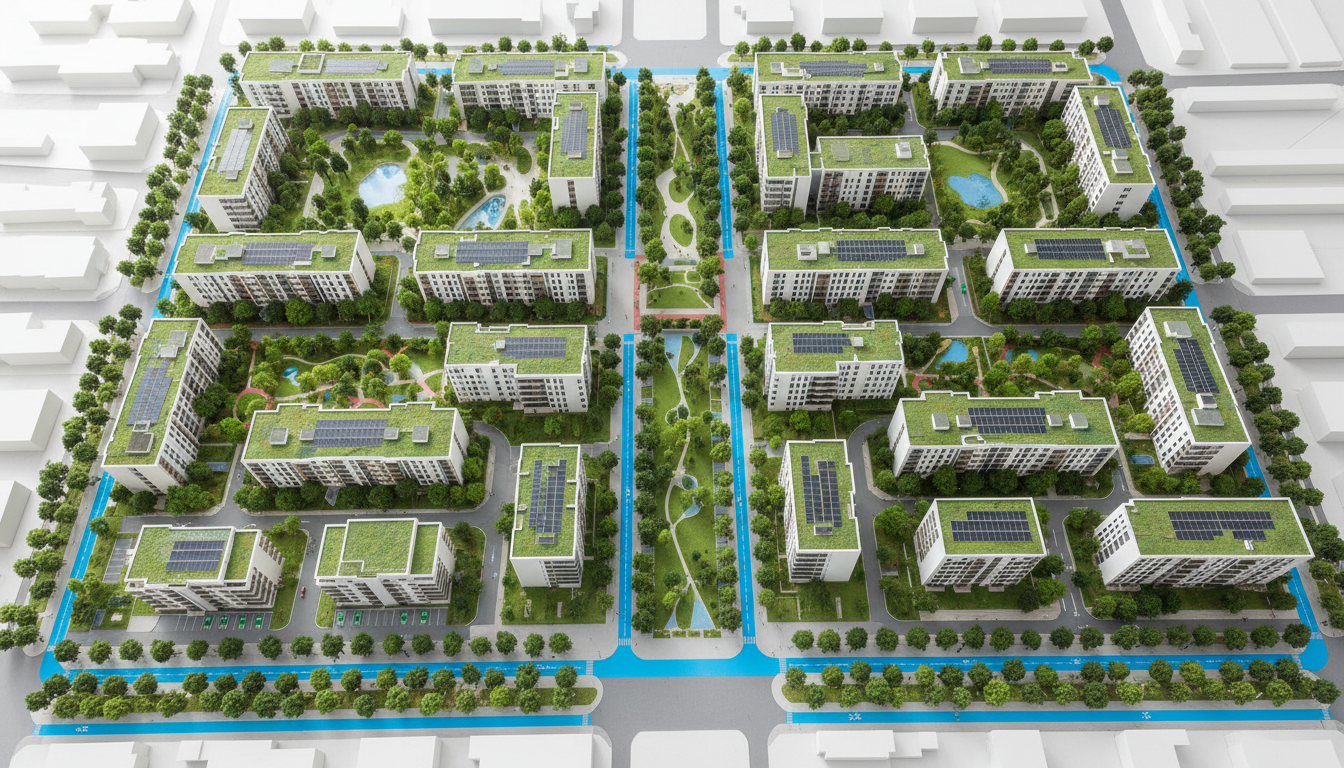
Urban planners are increasingly using AI to make data-driven decisions. A common myth is that these systems eliminate the need for human insight. In contrast, AI complements human expertise by analyzing vast datasets that inform planning and development strategies.
AI tools can simulate various urban scenarios, helping planners anticipate challenges and design more resilient cities. This collaborative approach ensures that human creativity and technological efficiency work hand in hand.
Addressing Privacy Concerns
Privacy is a major concern when it comes to AI in urban environments. Many fear that increased surveillance and data collection will lead to privacy breaches. However, robust data protection policies and transparent practices are being implemented to safeguard personal information.
By prioritizing privacy, cities can harness the benefits of AI while maintaining public trust. Educating citizens about how their data is used and protected is essential for fostering acceptance and engagement.

Conclusion: Embracing AI for a Better Urban Future
Debunking myths about AI allows us to focus on its potential to enhance urban living. As cities continue to grow, integrating AI responsibly can lead to more efficient, safe, and sustainable environments. By understanding and addressing misconceptions, we can better embrace the transformative power of AI.
Ultimately, the successful integration of AI in urban areas depends on collaboration between technology developers, city planners, and communities. Together, they can navigate the challenges and seize the opportunities that AI presents, paving the way for a brighter urban future.