
Creating a Smart City: The Role of Connected Devices in Urban Services


The Rise of Smart Cities
As urban areas continue to grow, the concept of smart cities is transforming the way we live, work, and interact with our environments. A smart city integrates information and communication technology (ICT) and various physical devices connected to the Internet of Things (IoT) to optimize the efficiency of urban services and infrastructure.
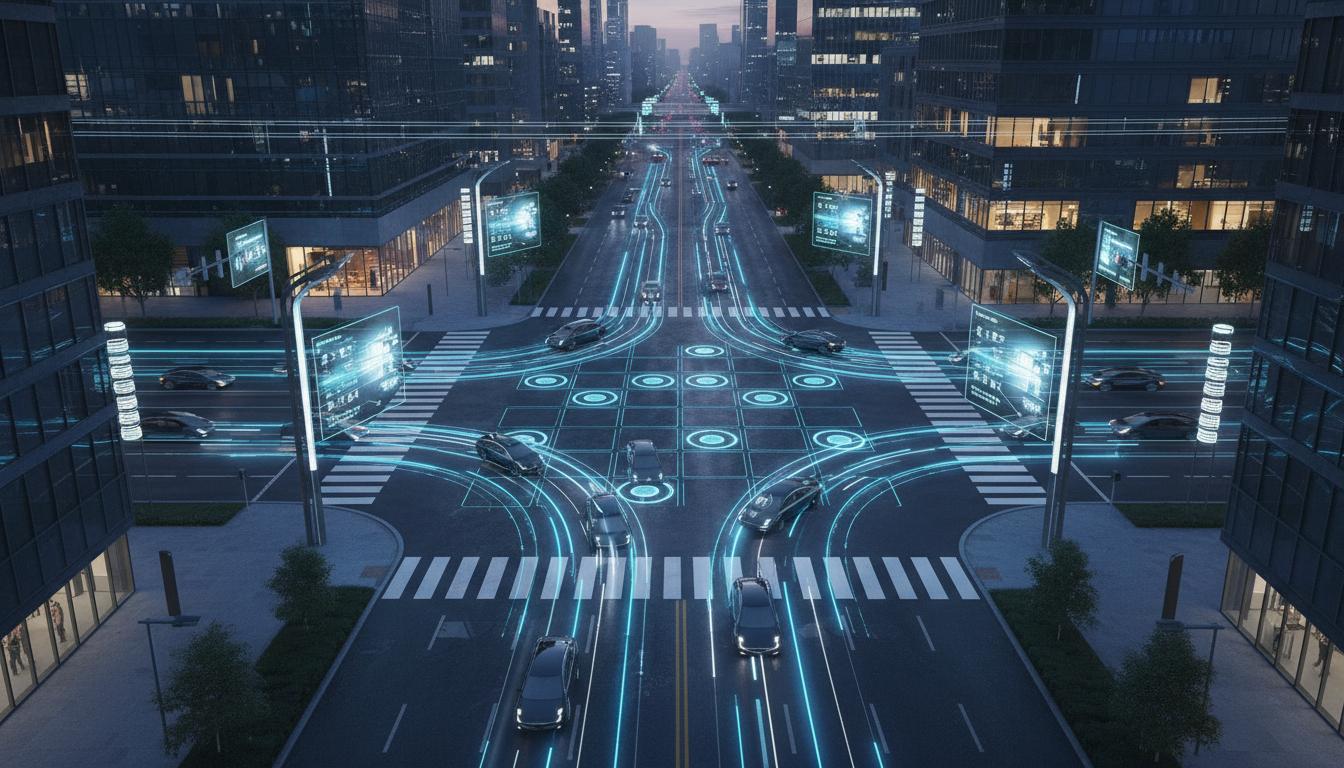
By leveraging connected devices, smart cities aim to enhance the quality of life for citizens while ensuring sustainable economic development. From traffic management to waste collection, these technologies are revolutionizing urban living.
Connected Devices and Urban Mobility
One of the most significant impacts of connected devices in smart cities is on urban mobility. IoT-enabled transportation systems can optimize traffic flow, reduce congestion, and improve public transport efficiency. For instance, smart traffic lights can adjust their timing based on real-time traffic conditions, significantly reducing wait times for commuters.
Moreover, connected vehicles and ride-sharing platforms use real-time data to provide efficient routing, ensuring that passengers reach their destinations swiftly. This integration not only enhances convenience but also reduces the carbon footprint of city transport networks.
Public Transportation Innovations
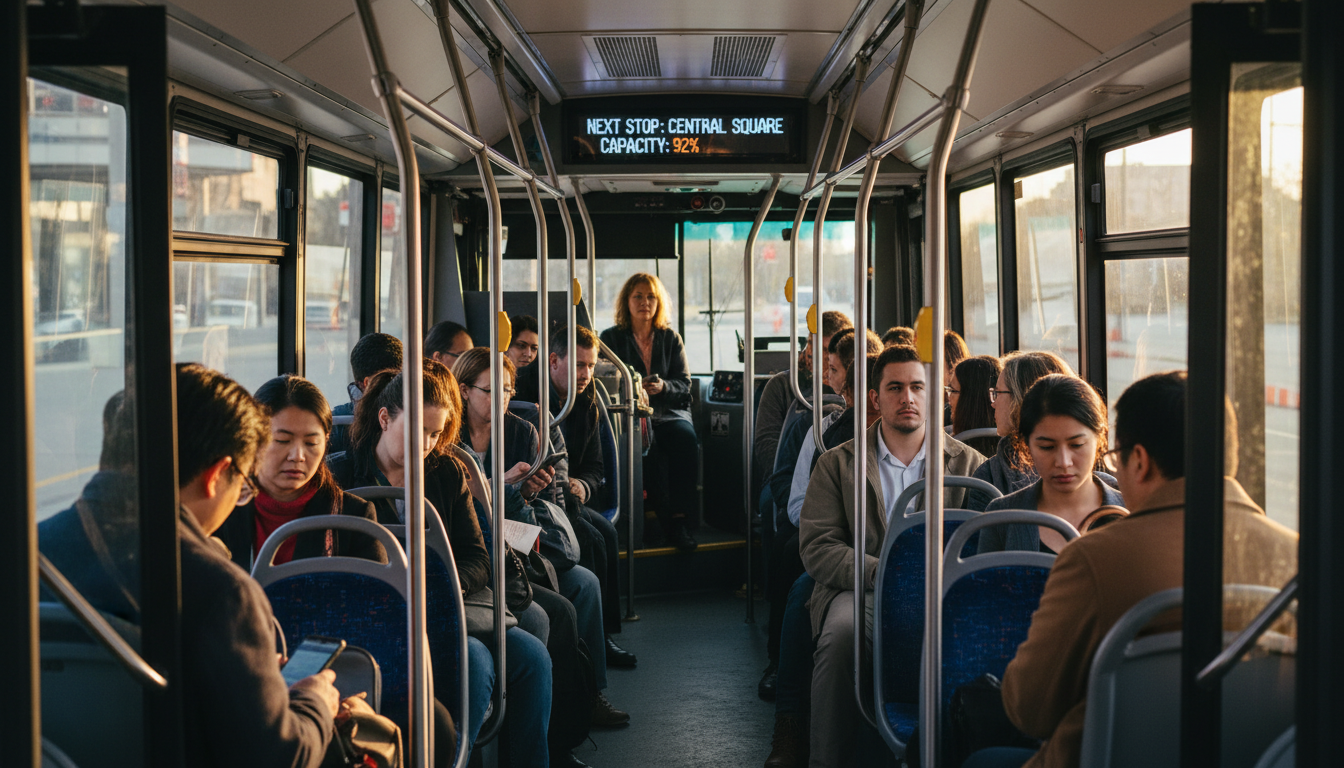
Public transportation systems benefit immensely from IoT technologies. With smart ticketing systems and real-time tracking, passengers can enjoy a seamless travel experience. Additionally, predictive maintenance for buses and trains ensures that they are always in optimal condition, reducing breakdowns and delays.
Enhancing Public Safety and Security
Connected devices play a crucial role in enhancing public safety and security in smart cities. Smart surveillance systems equipped with sensors and cameras provide real-time monitoring, helping authorities respond swiftly to incidents. These systems can analyze patterns and detect unusual activities, alerting security personnel to potential threats.
Furthermore, smart emergency response systems improve the efficiency of services like fire and medical response teams. By using IoT data, these teams can be dispatched more quickly to locations where they are needed most, saving lives and resources.
Environmental Monitoring and Waste Management
Environmental sustainability is a core focus of smart cities. Connected devices enable real-time monitoring of air quality, water levels, and weather conditions, helping city planners make informed decisions. For example, sensors placed throughout a city can detect pollution levels and trigger alerts when thresholds are exceeded.
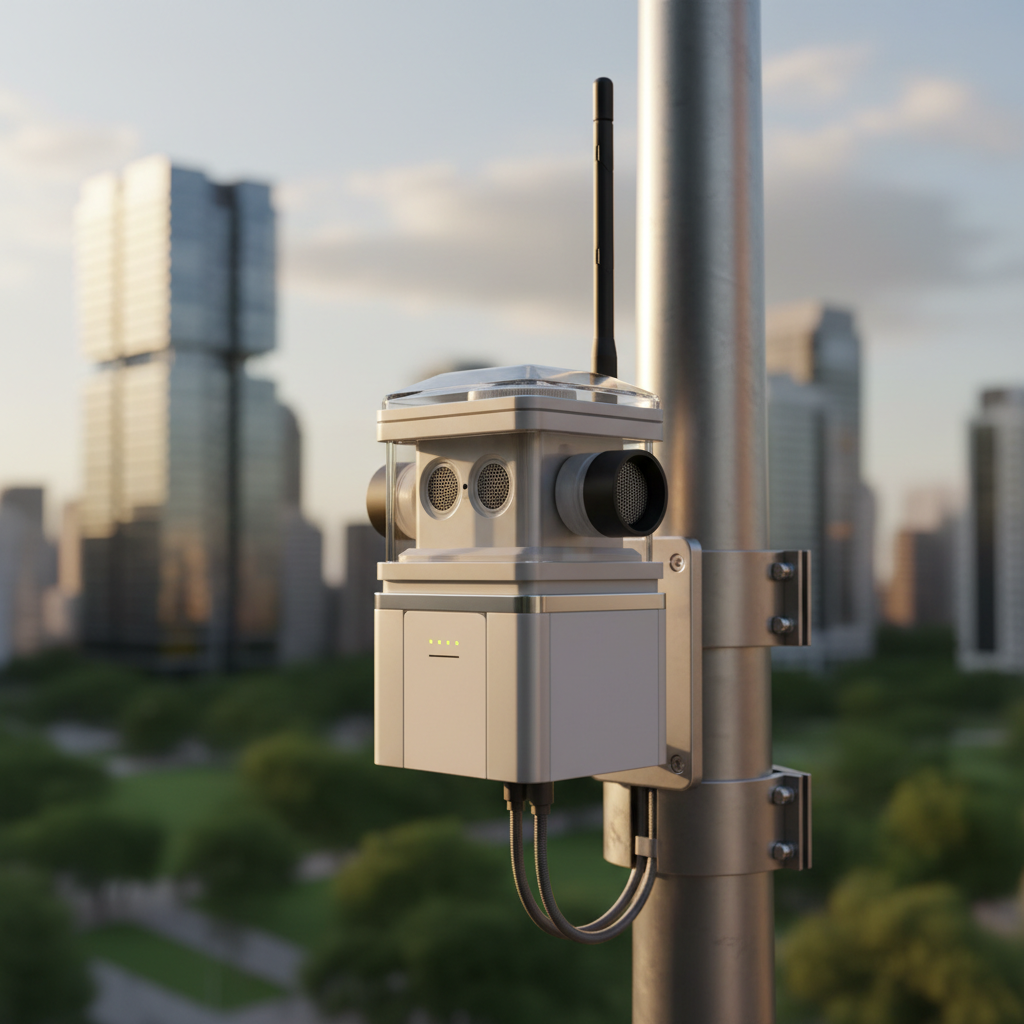
In the realm of waste management, IoT-enabled systems optimize collection routes, reducing fuel consumption and operational costs. Smart bins equipped with sensors can alert waste management services when they are full, ensuring timely collection and reducing unnecessary trips.
Energy Efficiency and Smart Grids
Smart grids are a vital component of a smart city’s infrastructure. These grids use connected devices to monitor and manage energy consumption more efficiently. By analyzing data, energy providers can balance supply and demand, reducing waste and lowering costs for consumers.
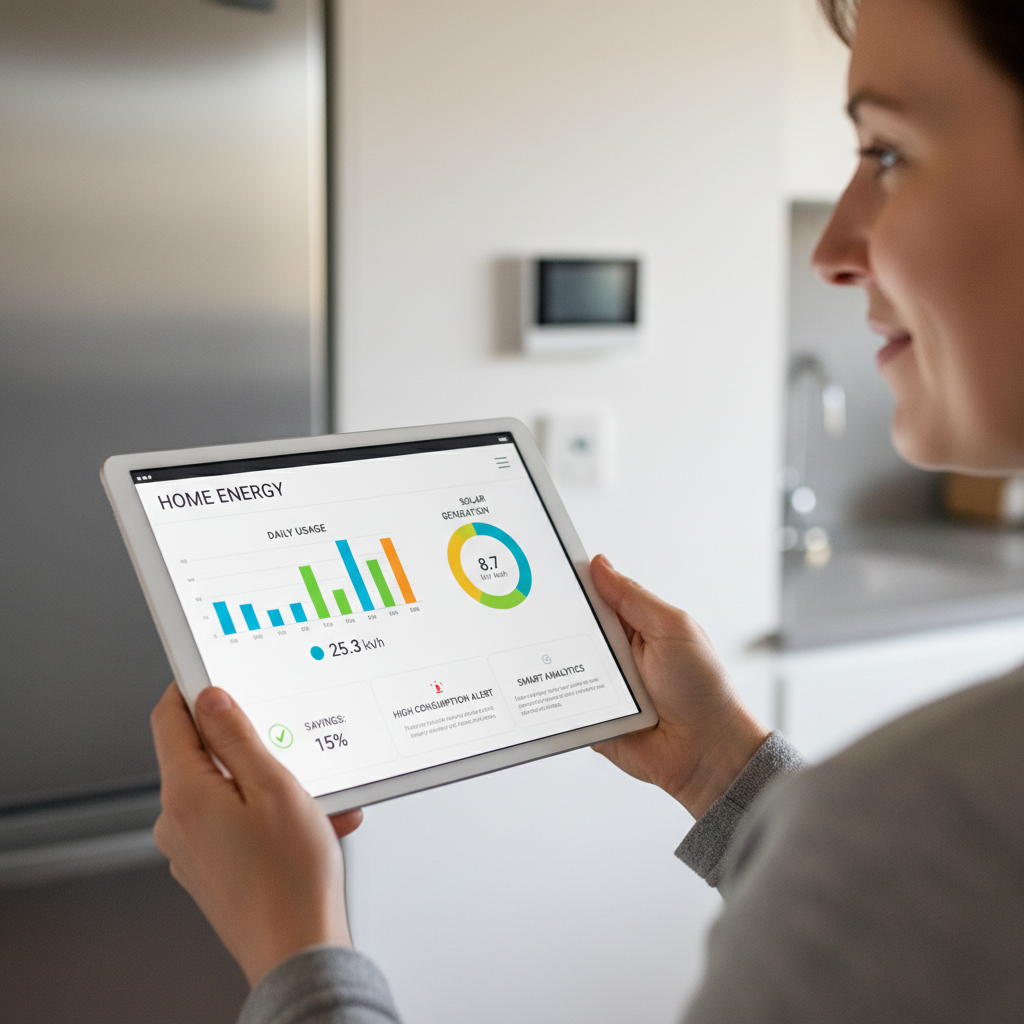
Additionally, smart meters allow residents to track their energy usage in real-time, promoting energy-saving behaviors and contributing to a more sustainable urban environment.
The Future of Smart Cities
The integration of connected devices in urban services is just the beginning. As technology continues to advance, the potential for innovation in smart cities is limitless. Future developments may include autonomous public transport, enhanced telehealth services, and more personalized urban experiences.
By embracing these technologies, cities can become more resilient, sustainable, and livable, improving the quality of life for all residents. As we move forward, the collaboration between governments, businesses, and citizens will be crucial in realizing the full potential of smart cities.