
Connected Devices in Smart Cities: Benefits and Innovations


The Rise of Smart Cities
In recent years, the concept of smart cities has transformed from a futuristic idea into a tangible reality. At the heart of these urban innovations are connected devices, which are reshaping how cities operate and improve the quality of life for residents. By integrating technology into urban infrastructure, smart cities are poised to address some of the most pressing challenges of urbanization.
Enhancing Urban Efficiency
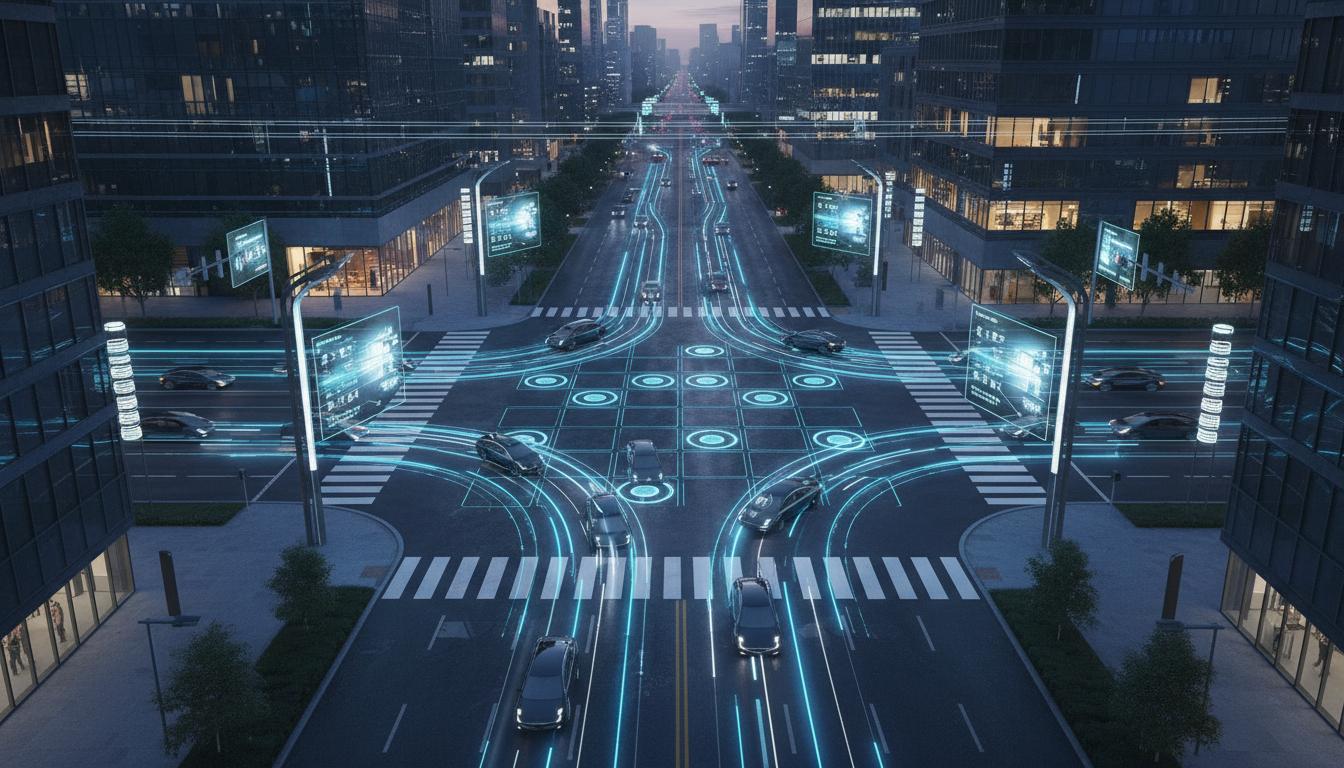
One of the primary benefits of connected devices in smart cities is the enhancement of urban efficiency. These devices collect real-time data, allowing city officials to monitor and manage resources effectively. For instance, smart traffic lights adjust their timing based on current traffic conditions, reducing congestion and improving commute times.
- Real-time traffic monitoring
- Optimized public transport schedules
- Efficient waste management systems
Improving Public Safety
Connected devices play a crucial role in enhancing public safety in smart cities. Surveillance cameras equipped with AI can detect unusual activities and alert authorities promptly. Additionally, smart streetlights can automatically brighten in response to movement, improving visibility and deterring crime.

Moreover, emergency response systems are becoming more efficient. With connected devices, first responders receive accurate information regarding the location and nature of incidents, enabling faster and more effective responses.
Sustainability and Environmental Impact
Smart cities leverage connected devices to promote sustainability and reduce environmental impact. Sensors monitor air quality, providing data that helps in formulating policies to combat pollution. Smart grids optimize energy distribution, reducing waste and promoting the use of renewable energy sources.
- Air quality monitoring
- Energy-efficient smart grids
- Water conservation through smart meters

Fostering Innovation and Economic Growth
The integration of connected devices in urban settings fosters innovation and economic growth. By creating a data-rich environment, smart cities attract tech companies and startups, leading to job creation and economic development. Furthermore, the insights gained from data analytics can drive new services and products tailored to urban needs.
Collaboration between governments and private sectors is also vital. Public-private partnerships can lead to innovative solutions that enhance the quality of urban life and ensure sustainable growth.
Challenges and Considerations
Despite the numerous benefits, the implementation of connected devices in smart cities is not without challenges. Privacy concerns and data security are significant issues that need addressing. Ensuring that data collected by devices is protected and used responsibly is crucial to maintaining public trust.

Additionally, the digital divide poses a challenge, as not all residents may have equal access to smart technologies. Efforts must be made to ensure that the benefits of smart cities are inclusive and accessible to all.
The Future of Smart Cities
As technology continues to advance, the potential for connected devices in smart cities will expand. Future innovations promise to make cities not only smarter but also more livable, sustainable, and efficient. Embracing these technologies will be key to building resilient urban environments capable of meeting the demands of tomorrow.