
Case Study: Improving City Services Through AI and IoT in Georgia


Introduction to AI and IoT in City Services
In recent years, cities around the world have been leveraging technology to improve public services, and Georgia is no exception. By integrating Artificial Intelligence (AI) and the Internet of Things (IoT), cities across Georgia are enhancing efficiency and providing residents with better service delivery.
The Role of AI in City Management
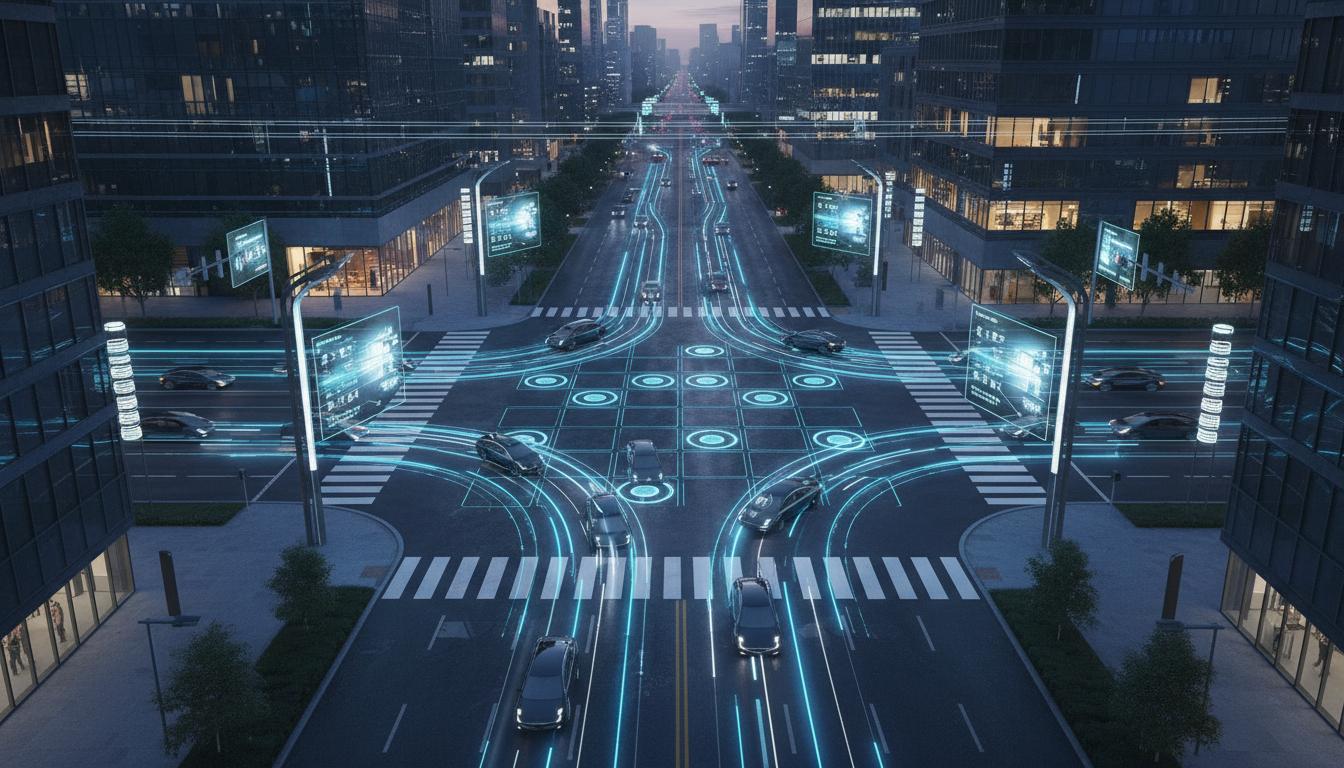
AI is transforming how cities manage resources and respond to challenges. In Georgia, AI algorithms analyze vast amounts of data to optimize traffic flow, reduce energy consumption, and improve waste management. This not only enhances service delivery but also contributes to sustainability goals.
In Atlanta, for example, AI-driven traffic management systems are reducing congestion by adjusting traffic signals in real-time. This has led to a significant decrease in travel times and emissions, making the city more livable and environmentally friendly.
Enhancing Public Safety with IoT
IoT devices are playing a crucial role in enhancing public safety across Georgia. By deploying interconnected sensors and cameras, cities can monitor public spaces more effectively. These IoT systems provide real-time data to law enforcement agencies, enabling quicker response times and improved crime prevention.

In Savannah, IoT-enabled streetlights are equipped with cameras and sensors that detect unusual movements, alerting authorities to potential incidents. This proactive approach has significantly increased the safety of public areas, making residents feel more secure.
Improving Urban Infrastructure
AI and IoT technologies are also transforming urban infrastructure in Georgia. Smart grids, for instance, allow for more efficient electricity distribution, reducing blackouts and saving energy. IoT sensors monitor infrastructure health, predicting failures before they occur and facilitating timely maintenance.
Smart Water Management
Water management is another area seeing improvements. IoT devices can detect leaks and monitor water quality in real-time, ensuring residents have access to safe and reliable water supplies. This technology minimizes waste and reduces costs associated with water treatment and distribution.
Challenges and Future Prospects
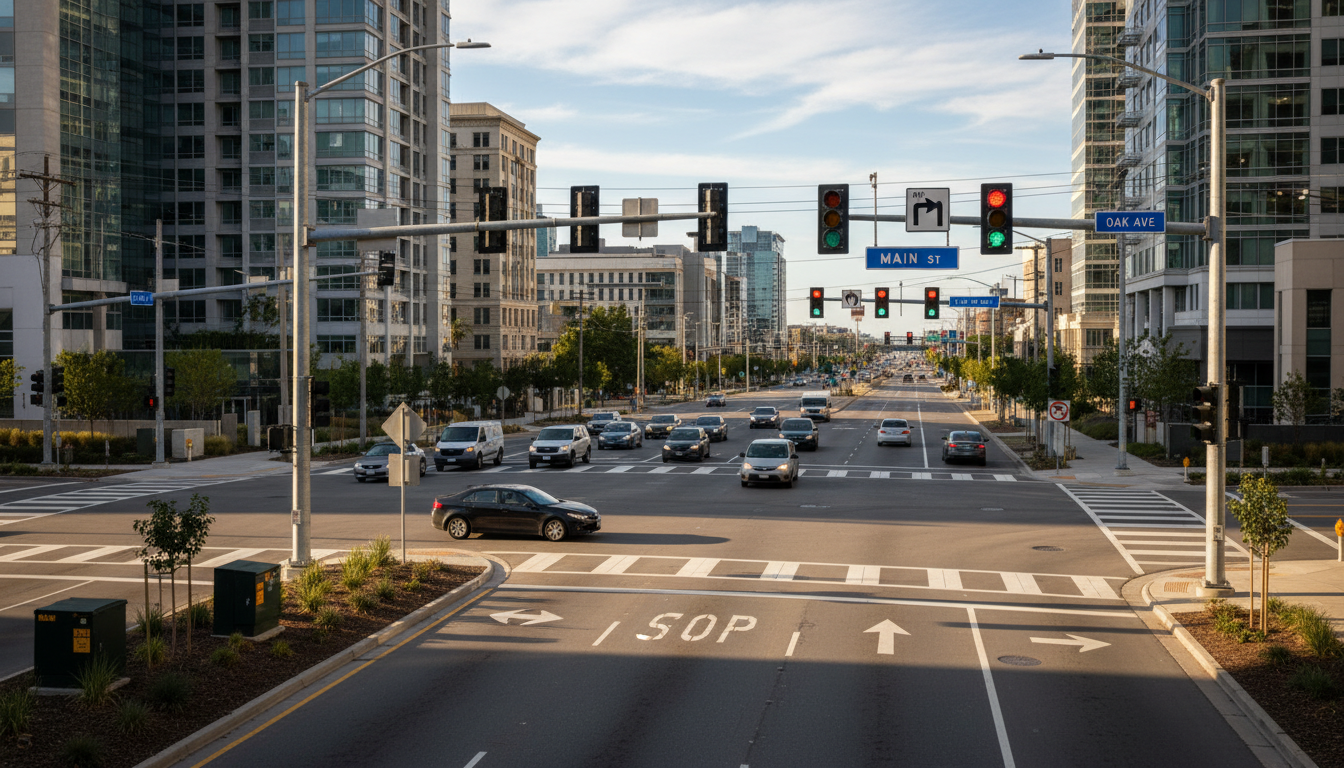
While the integration of AI and IoT in city services is promising, it does pose challenges. Privacy concerns, data security, and the need for substantial investment are significant hurdles. However, the benefits of improved efficiency, safety, and sustainability make a compelling case for continued development.
Looking ahead, Georgia aims to expand the use of these technologies, fostering smart city initiatives that promise to transform urban living. By addressing current challenges and investing in technology, Georgia is paving the way for smarter, more efficient cities.