
AI and IoT in Urban Services: A Comprehensive Guide for Digital Transformation


In the rapidly evolving landscape of urban services, the integration of Artificial Intelligence (AI) and the Internet of Things (IoT) is driving a significant digital transformation. Cities worldwide are harnessing these technologies to enhance infrastructure, improve public safety, and provide better services to residents. This comprehensive guide explores how AI and IoT are reshaping urban environments.
Understanding AI and IoT
AI refers to the simulation of human intelligence in machines, enabling them to perform tasks that typically require human cognition. IoT, on the other hand, connects physical devices to the internet, allowing them to collect and exchange data. Together, AI and IoT create smart infrastructures that can automate processes and provide real-time insights.
AI and IoT in Public Transportation
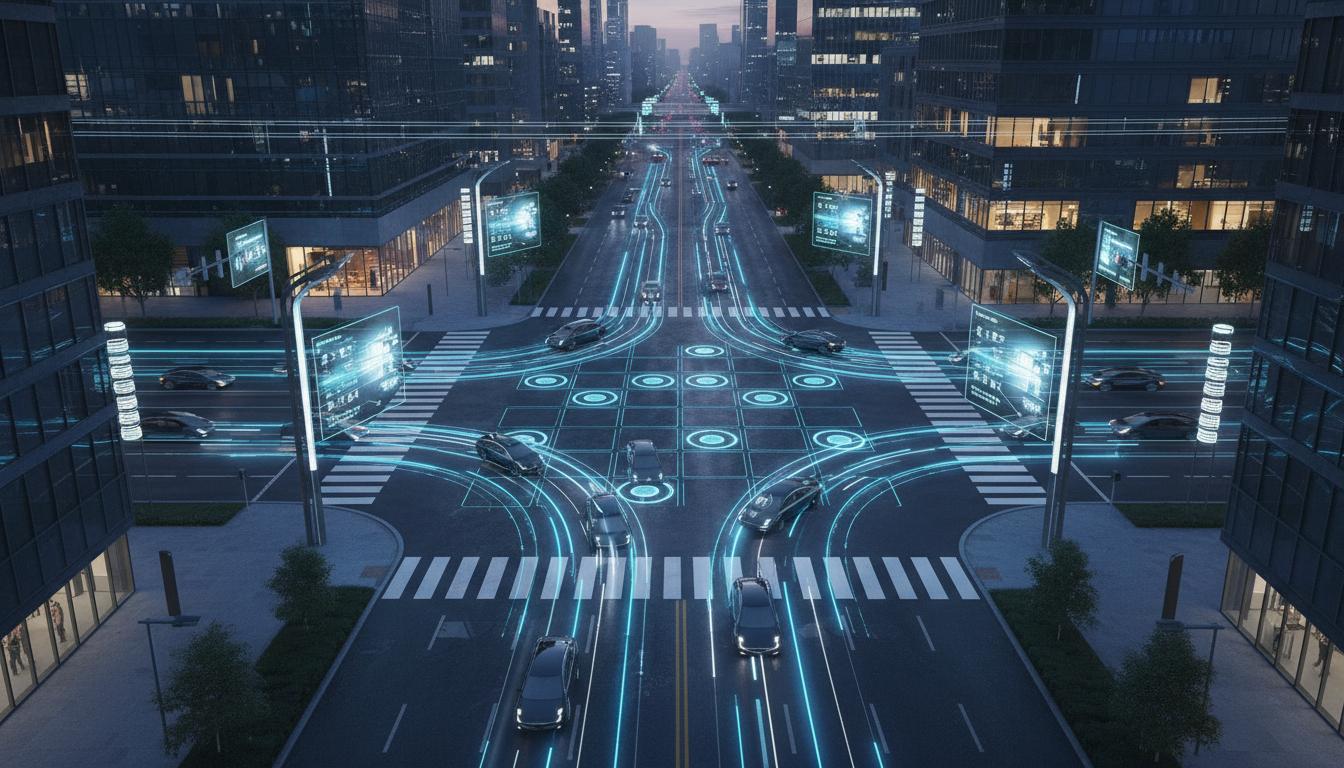
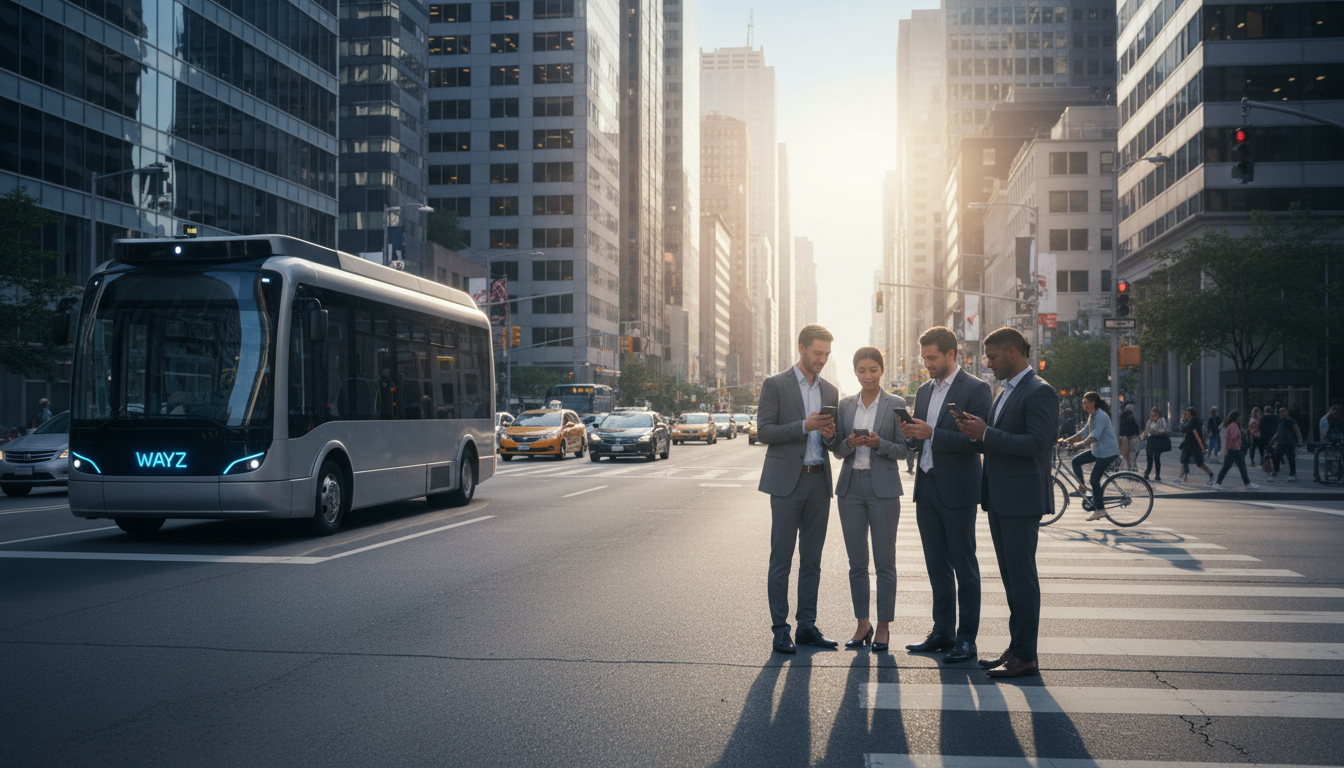
Public transportation systems are benefiting immensely from AI and IoT. Smart sensors and AI algorithms are used to optimize routes, reduce congestion, and improve fuel efficiency. Real-time data analysis allows for better traffic management, while predictive maintenance ensures that vehicles remain in optimal condition, reducing downtime and improving service reliability.
Moreover, AI-powered applications provide commuters with real-time updates on transit schedules and delays, enhancing the overall user experience. This not only increases efficiency but also promotes the use of public transportation as a sustainable option.
Enhancing Public Safety
In the realm of public safety, AI and IoT are proving invaluable. Smart surveillance systems utilize AI to analyze video footage for suspicious activity, enabling quicker response times by law enforcement. IoT devices like smart streetlights and connected emergency systems ensure timely communication during emergencies.
Smart Waste Management
AI and IoT are also transforming waste management in urban areas. IoT-enabled waste bins can monitor fill levels and communicate with waste collection services to optimize pickup schedules. This reduces operational costs and minimizes the environmental impact by ensuring efficient waste collection routes.
AI-driven analytics can further help in predicting waste generation patterns, assisting municipalities in better planning and resource allocation.
Energy Management and Sustainability
Energy management is another crucial area where AI and IoT are making strides. Smart grids powered by AI can balance energy loads, integrating renewable energy sources efficiently. IoT-enabled devices can monitor energy consumption in real-time, helping consumers and businesses reduce energy costs.

Challenges and Considerations
Despite the numerous benefits, integrating AI and IoT in urban services comes with challenges. Data privacy and security are paramount concerns, as these technologies involve the collection and analysis of vast amounts of data. Ensuring robust cybersecurity measures is essential to protect sensitive information.
Additionally, there is a need for significant investments in infrastructure and ongoing maintenance, which can be a barrier for some cities. Collaboration between governments, private sectors, and technology providers is crucial to overcome these challenges and ensure successful implementation.
The Future of Urban Services
As AI and IoT technologies continue to advance, the potential for innovation in urban services is limitless. From autonomous vehicles to smart healthcare systems, the future holds exciting possibilities for creating smarter, more efficient cities. Embracing these technologies will be essential for cities aiming to enhance the quality of life for their residents while promoting sustainability and resilience.
In conclusion, AI and IoT are not just transforming urban services; they are revolutionizing the way cities operate. By leveraging these technologies, urban centers can achieve a new level of efficiency, safety, and sustainability, paving the way for a brighter, more connected future.