
AI and IoT: Key Trends Shaping the Future of Sustainable Cities


As urban populations continue to rise, cities worldwide face the challenge of becoming more sustainable while maintaining livability and efficiency. The integration of Artificial Intelligence (AI) and the Internet of Things (IoT) is a driving force behind the evolution of sustainable cities, promising to transform urban landscapes in unprecedented ways.
AI and IoT: The Perfect Partnership
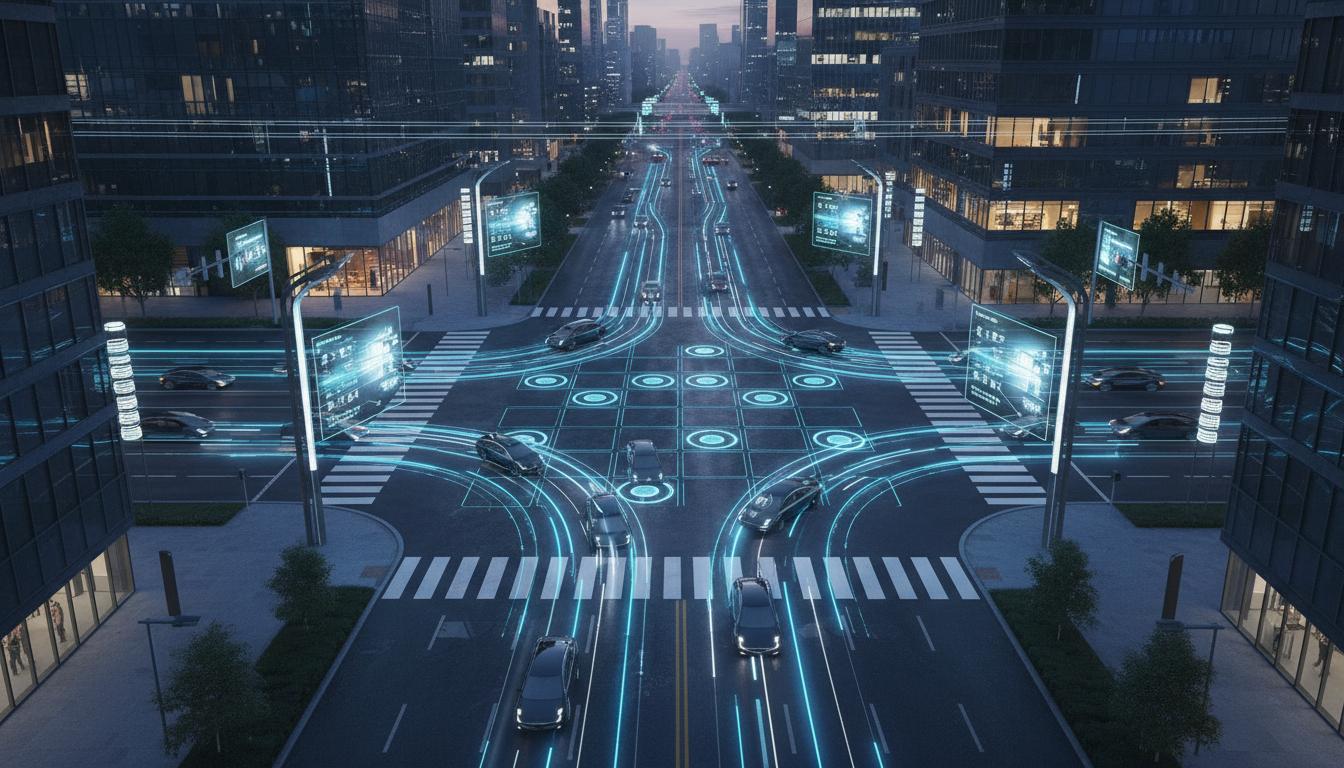
AI and IoT are two technological powerhouses that, when combined, can significantly enhance urban living. IoT devices collect vast amounts of data through sensors embedded in infrastructure, while AI analyzes this data to provide actionable insights. This synergy is crucial for developing smarter, more sustainable urban environments.
Optimizing Energy Consumption
One of the most significant impacts of AI and IoT in cities is optimizing energy consumption. Smart grids and meters, powered by these technologies, allow for real-time monitoring and management of energy use. This not only reduces waste but also lowers costs and environmental impact.
For instance, AI algorithms can predict peak energy demands, enabling cities to adjust supply and reduce strain on resources. Moreover, IoT-enabled devices in homes and businesses can autonomously manage energy usage, balancing consumption with availability.
Enhancing Public Transportation
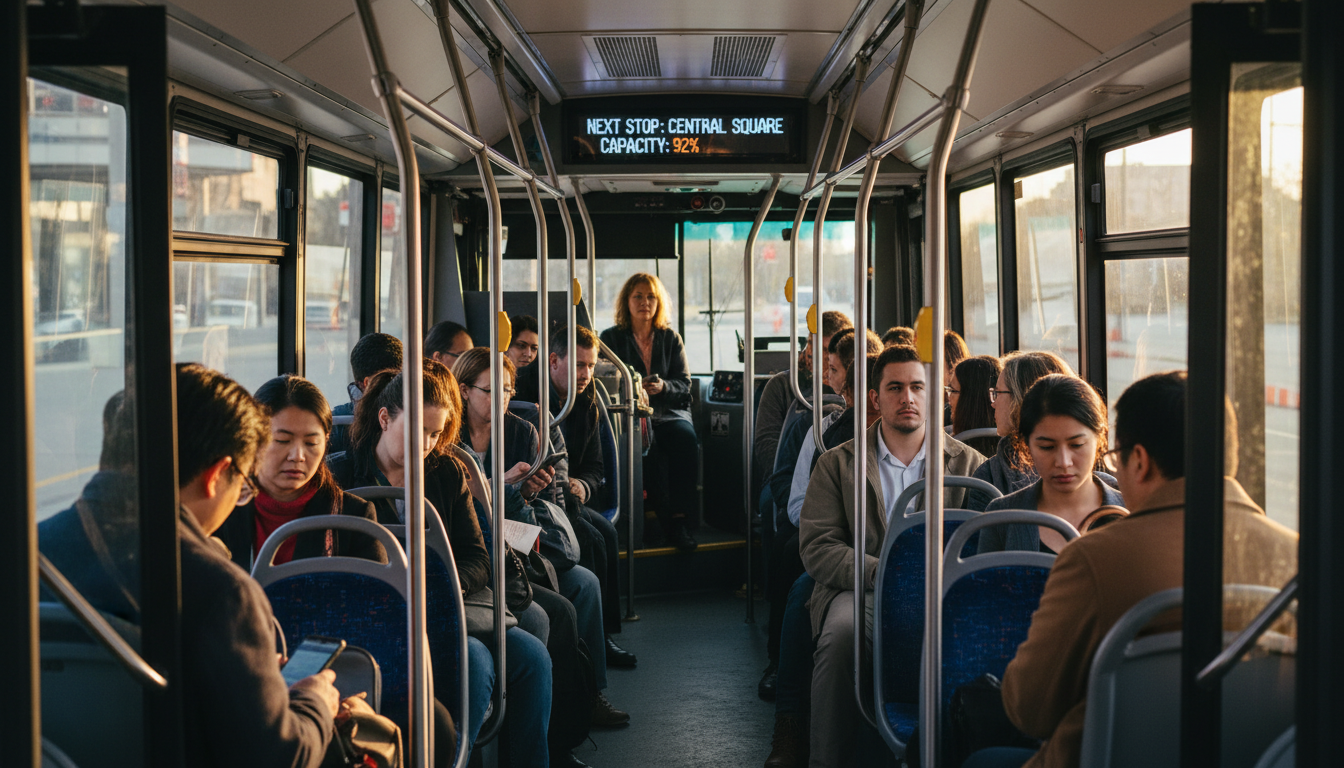
Public transportation systems are integral to sustainable cities, and AI and IoT are revolutionizing how they operate. With real-time data collection and analysis, cities can optimize routes, reduce congestion, and improve the passenger experience.
AI-driven predictive maintenance ensures that public transport vehicles are serviced before breakdowns occur, minimizing delays. Additionally, IoT sensors can monitor traffic patterns, helping to manage traffic flow and reduce emissions.
Water Management and Conservation
Water scarcity is a pressing issue for many urban areas. AI and IoT technologies offer innovative solutions to this problem by enabling smarter water management systems. IoT sensors can detect leaks and monitor water quality, while AI helps in predicting consumption patterns and managing supply efficiently.
These technologies also facilitate the recycling and reuse of water, reducing overall consumption and promoting conservation efforts. Such advancements are crucial for ensuring a sustainable water supply for growing urban populations.
Building Smart Infrastructure
Smart infrastructure is at the core of sustainable cities. AI and IoT are transforming how buildings are constructed and maintained, focusing on energy efficiency and environmental impact. Smart buildings use IoT to monitor various parameters like temperature, lighting, and occupancy, allowing for automatic adjustments to optimize energy use.

Moreover, AI can analyze data from these systems to improve building designs and materials, further enhancing sustainability. This approach not only reduces the carbon footprint but also creates healthier living and working environments.
The Road Ahead
As AI and IoT technologies continue to evolve, their impact on sustainable cities will only grow. The integration of these technologies will lead to smarter, more efficient urban environments that prioritize sustainability. However, it is essential for city planners and policymakers to address challenges such as data privacy and security to ensure these advancements benefit all residents.
In summary, the combination of AI and IoT is setting the stage for a future where cities are not just smart but also sustainable, resilient, and inclusive. This transformation promises to enhance the quality of urban life while safeguarding our planet for future generations.